- Sep 10
When Your Body Knows Before You Do
- Dee Kinsey
- 0 comments
By Susan Blue & Dee Kinsey

Have you ever been in the middle of a conversation and watched yourself react?
You know it’s happening. You can hear yourself getting louder. You know you’re explaining too much. You know you want to leave. Or suddenly you have absolutely nothing to say.
And somewhere in the middle of all of it, there may even be a part of you thinking, Why am I doing this?
In our last post, we talked about the difference between who you are and what your nervous system has learned to do.
This month we want to get more specific about the doing.
We call these the Five Impulses: fight, flight, freeze, fold and fawn.
These aren’t personality types. They aren’t five more labels to put on yourself. They’re ways your nervous system responds when something about your sense of safety changes.
And they show up in much more ordinary ways than you might think.
Sometimes Fight Looks Like This

You’re having a conversation and something shifts.
Maybe it’s a tone of voice. Maybe you feel dismissed. Maybe someone disagrees with you. Maybe you don’t even know what happened yet.
But your body does.
There’s heat. Your jaw tightens. Your voice changes. You lean in. You need to explain. Correct. Defend. Get your point across.
At a higher level of activation, fight is easy to recognize.
But fight doesn’t have to be yelling or rage.
It might be irritation.
It might be becoming very certain that you’re right.
It might be the need to take control of what happens next.
The interesting part isn’t deciding, I’m in fight. The interesting part is noticing: Something just changed in me.
Flight Doesn’t Always Leave the Room

Sometimes you do leave.
Sometimes you pick up your phone.
Sometimes you change the subject.
And sometimes you become incredibly productive.
You answer emails. Clean something. Start another project. Make a list. Think about tomorrow. Solve something that didn’t actually need solving right now. There can be a lot of energy in flight.
So if you’ve always thought, I don’t run away from things, you might be right.
Maybe you stay exactly where you are. But where does your attention go? What happens when you stop moving? That can tell you something.
Then There’s That Moment When Nothing Comes
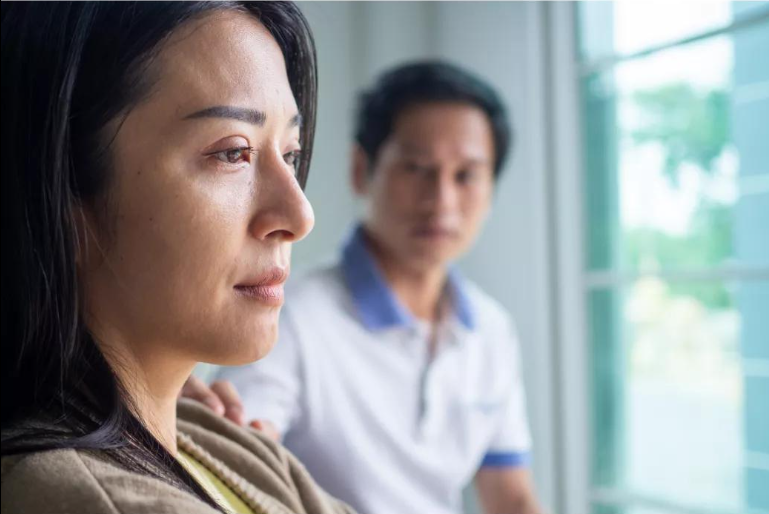
You knew what you wanted to say. Then someone looked at you and asked the question.
Nothing.
Your mind is blank. The conversation moves on and twenty minutes later every word comes back.
Why didn’t I say that?
Why couldn’t I answer?
Why do I always do this?
We can make ourselves very wrong for freeze. But your body was doing something. What if you became curious about that before deciding what it says about you?
Fold Has a Different Feel

You’ve been handling it. Working. Managing. Getting through. Keeping things moving. And then you can’t. The energy drops.
Something you could have done yesterday feels almost impossible today.
We’re quick to call that lazy. Unmotivated. Procrastinating.
But what if your body has a different story? Sometimes the system that has been pushing and pushing and pushing simply doesn’t have more push available. That’s worth noticing too.
Fawn Can Look Like Being Really Good at People

This one can be tricky.
You know how everyone is doing. You know who is uncomfortable. You hear the slight change in someone’s voice. You see the expression that crossed their face for half a second.
And before you have checked in with yourself, you’re already adjusting.
You explain.
You soften what you said.
You change your answer.
You say, “It’s fine.”
You make sure they’re okay.
That awareness can be a beautiful capacity.
The question is whether you are still in the room with yourself while you’re using it.
Can I know what you need and still know what I need? That is a very different question from deciding, I’m just a people pleaser.
And We Don’t Stay in One
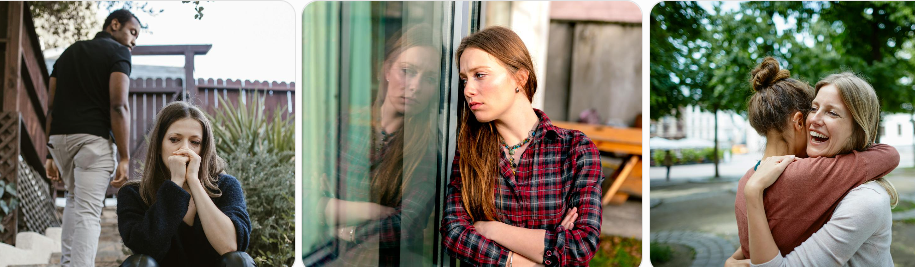
This is something we really want people to understand.
You are not a fight person.
You are not a freeze person.
You are not a fawn person.
You can move through several impulses in one experience.
You can fight with someone, leave the room, spend the next hour replaying the conversation, go blank when they try to talk to you again and eventually start trying to make everything okay because the disconnection has become uncomfortable.
Your nervous system is responding to what it perceives moment by moment. At higher activation, the response can take over quickly. At lower activation, something else becomes possible. You can notice it.
“Oh. My Body Is Letting Me Know My Sense of Safety Has Changed.”

This is the place we’ve been talking about throughout our Five Impulses Course.
Not: Oh no. I’m doing it again.
Not: I need to calm down.
Not even: How do I stop this?
Just: “Oh. My body is letting me know my sense of safety has changed.”
That gives us somewhere to begin.
Maybe you notice the heat in your face.
Maybe your chest tightens.
Maybe your breathing changes.
Maybe your stomach drops.
Maybe your legs want to move.
Maybe you suddenly don’t feel much of anything.
Maybe your awareness leaves you completely and goes to the other person.
You don’t have to fix any of that in the moment.
First, notice.
This Is Where Breath Becomes Useful
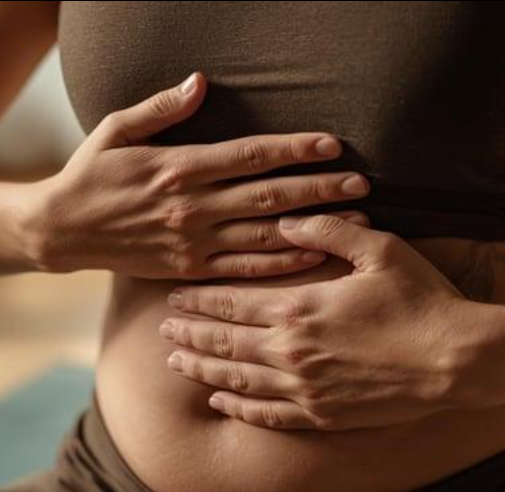
We talk about breath a lot in our work, but not because taking a deep breath is going to magically make everything okay.
Breath is an entry.
Can I stay here long enough to notice what is happening?
Can I feel my feet?
Can I notice where my breath is moving?
Can I feel the tightness without immediately trying to get rid of it?
Can I notice that I want to leave before I automatically get up and leave?
Can I feel the urge to explain without immediately explaining?
That’s different from trying to control your nervous system. You’re becoming a better observer of it. And the more present you can be, the more likely you are to recognize:
This is a response. I have more information now.
There Is Intelligence Beneath the Reaction
This is why we keep coming back to this sentence.
There is intelligence beneath the reaction.
Something in your system has learned to fight.
Or leave.
Or stop.
Or conserve.
Or attend very closely to the people around you.
Instead of immediately judging the response, we can get curious about it. That doesn’t remove responsibility for what we do. It doesn’t mean every response is useful now. It means we stop beginning with the assumption that the reaction proves something is wrong with us.
We start with what is actually happening. And from there, we have more choice.
Learning About This Is Different From Experiencing It

Our Five Impulses course gives you a place to begin recognizing these responses. Our foundational online courses take you further into understanding what is happening in your body and learning how to work with it through somatic processing.
This isn’t about becoming really good at calming yourself down.
It is about becoming more present to yourself so you can recognize what is happening before the automatic response becomes the only possibility available.
Explore The B.L.U.E. Method™ foundational courses
Starting Oct 12th
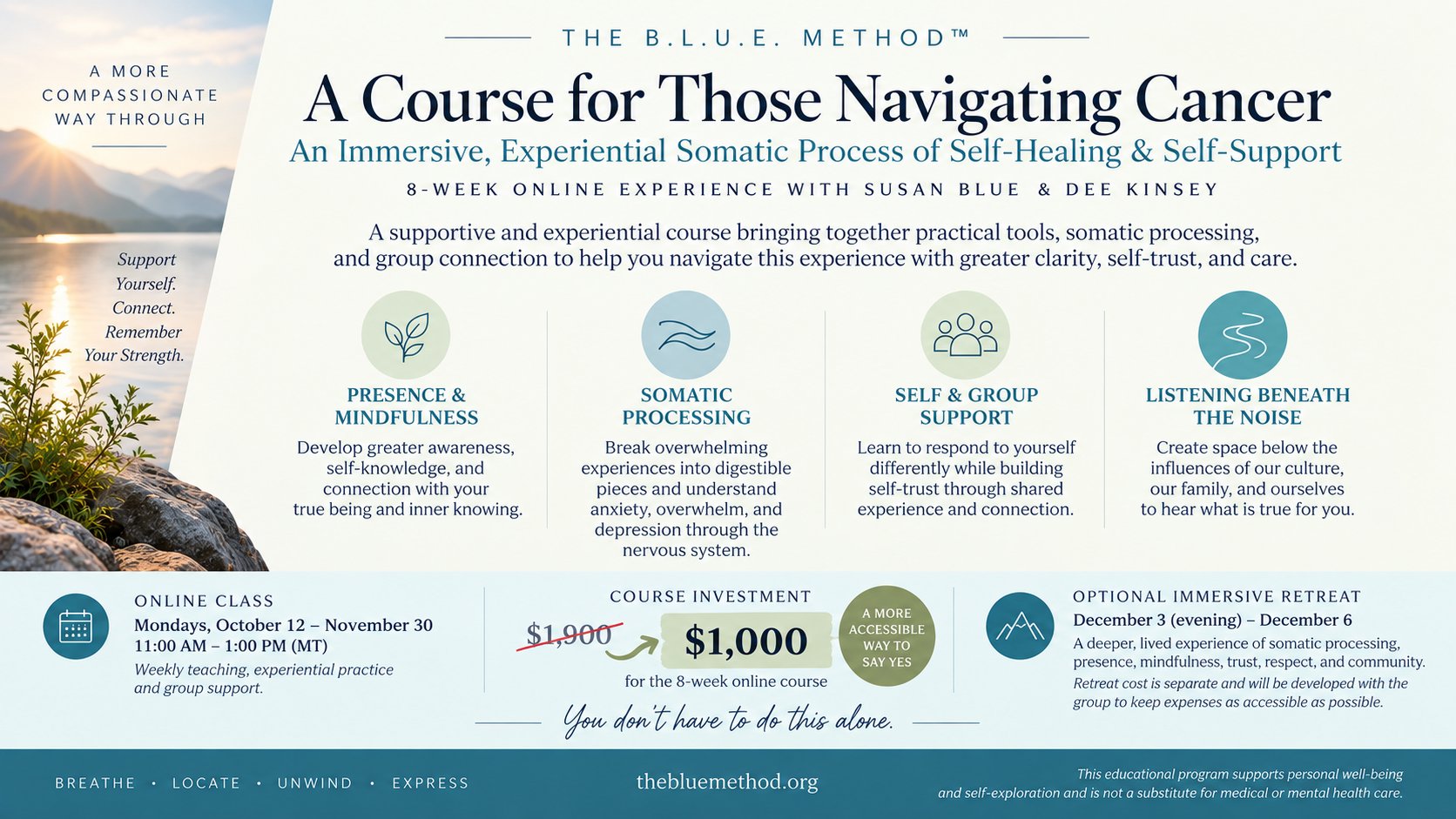
We are also starting an eight-week online course specifically for people dealing with cancer and for the family members and caregivers moving through the experience with them.
A cancer diagnosis can bring an enormous amount into the room at once. The body. Fear. Decisions. Relationships. Uncertainty. Other people’s reactions. Your own reactions.
This course will bring the somatic work into that experience in a very practical way: presence, understanding what is happening in the nervous system, breaking overwhelm into digestible pieces, and building a different relationship with yourself and with what you are moving through.
____________________________________________________________________
Until then, the next time you notice yourself reacting, see if you can catch that small moment before you decide what the reaction means about you.
What happened?
What changed in your body?
What does your body want to do?
You don’t have to do anything with the answer yet. Notice it. That is where we begin.
Susan Blue & Dee Kinsey
The B.L.U.E. Method™
Somatic Education for Self-Healing